Rank Group Casino Operators Reach £5 Million Settlement Over Compliance Shortfalls
Avery Vogel · Oct 7, 2026

Rank Group Casino Operators Reach £5 Million Settlement Over Compliance Shortfalls
Three companies under the Rank Group umbrella have agreed to transfer £5,012,261 into the UK government’s Consolidated Fund after an investigation by the Gambling Commission uncovered shortcomings in anti-money laundering controls and safer gambling measures across their combined portfolio of 51 casinos.
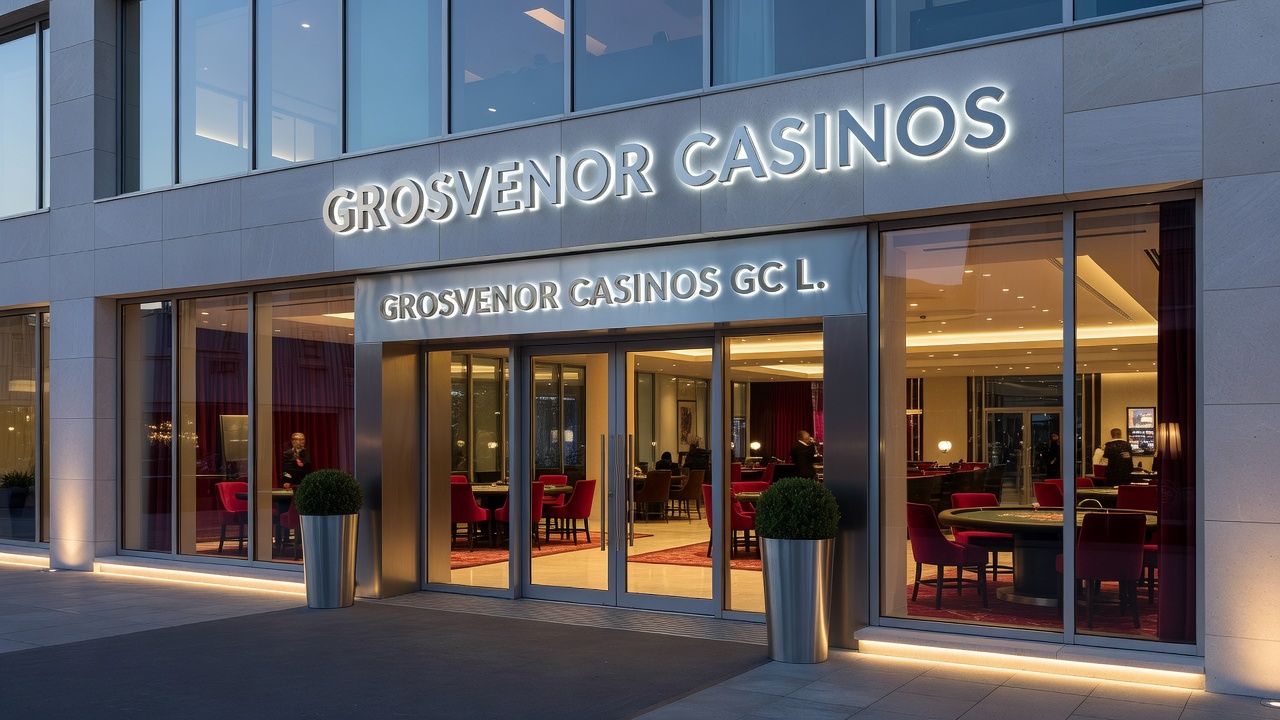
Grosvenor Casinos Limited, Grosvenor Casinos (GC) Limited, and Gaming Group Limited operate venues throughout Great Britain, and the settlement resolves the regulatory action without admission of liability while requiring an independent audit of current procedures.
Details of the Investigation Findings
The probe examined records spanning several years and identified gaps that emerged after 2020 regulatory updates, including policies that operators had not revised to reflect new requirements on customer due diligence and risk assessment, and decisions on high-risk customers that lacked consistency across different sites and staff teams.
Reviewers also documented instances where customers continued to gamble large amounts, with examples including losses of £50,000, £250,000, and £25,000 after self-exclusion requests had been registered, and where staff interventions fell short of the standards expected under the licensing conditions.
Scope of Operations Involved
Collectively the three entities run more than fifty venues, ranging from larger metropolitan sites to smaller regional casinos, and the settlement amount reflects the scale of the business as well as the duration of the identified issues.
Because the operators share ownership under Rank Group, the Gambling Commission treated the failures as systemic rather than isolated to individual locations, prompting the requirement for a single third-party audit covering both anti-money laundering and player protection controls across all sites.
Regulatory Context and Next Steps
The Gambling Commission published the outcome on its official site under the heading Land-based casino operators to pay £5m for regulatory failures, providing a summary of the investigation and the agreed remedies.
Under the terms of the settlement the operators must commission an independent review within a defined timeframe, and the results of that audit will inform any further action the regulator may consider necessary to bring procedures into line with current expectations.
Observers note that similar investigations have led other licence holders to strengthen training programmes for frontline staff and to introduce automated systems that flag unusual betting patterns more quickly than manual processes alone can achieve.
Broader Implications for Land-Based Gambling
Land-based casinos in Great Britain continue to operate under the same licensing framework as online operators, and this case illustrates how the Commission applies consistent standards to both sectors when evaluating money-laundering risks and customer protection obligations.
Data from previous enforcement actions shows that failures to update policies after regulatory changes remain a recurring theme, prompting several operators to schedule periodic compliance reviews rather than treating policy documents as static resources.
Those who monitor the sector point out that the requirement for an independent audit represents a common outcome in such settlements, giving operators an opportunity to identify gaps before they escalate into larger issues.
Conclusion
The £5,012,261 payment and accompanying audit requirement close the current investigation into the three Rank Group subsidiaries, yet the case also serves as a reference point for other casino operators seeking to align their internal controls with evolving regulatory expectations. The Gambling Commission’s announcement makes clear that both anti-money laundering and safer gambling responsibilities must receive ongoing attention across all 51 venues, and the results of the forthcoming independent review will determine whether additional measures become necessary.