Great Britain's Licensed Gambling Sector Reports £17.5 Billion GGY for April 2025 to March 2026 Period
Vera Reed · Sep 23, 2026

Great Britain's Licensed Gambling Sector Reports £17.5 Billion GGY for April 2025 to March 2026 Period
Great Britain's licensed gambling industry posted a total gross gambling yield of £17.5 billion during the financial year running from April 2025 through March 2026, according to figures released by the Gambling Commission, and this amount represented a 4.4% rise compared with the previous twelve months. The increase came primarily through expansion in remote operations, where casino, betting, and bingo activities climbed 6.9% to reach £8.3 billion, while land-based venues recorded more modest gains of 1.1% that brought their contribution to £4.9 billion. Observers note that online casino and slots segments accounted for the largest share within the remote category, and these results arrive as industry participants continue discussions around taxation levels and regulatory adjustments.
Remote Sector Expansion Details
Remote activities drove most of the overall growth, with the 6.9% year-on-year lift pushing that portion of the market to £8.3 billion for the full financial year. Within this remote total, online casino and slots products formed the biggest single segment, and operators in betting and bingo also contributed measurable increases. Data from the Gambling Commission annual report shows that remote channels now represent a larger proportion of total GGY than at any previous point in the tracked series, and the 4.4% overall advance reflects sustained consumer preference for digital platforms over traditional venues. Those who monitor these statistics point out that the remote uplift occurred even as broader economic conditions remained mixed, and the pattern aligns with longer-term shifts toward mobile and desktop access.
Land-Based Performance Comparison
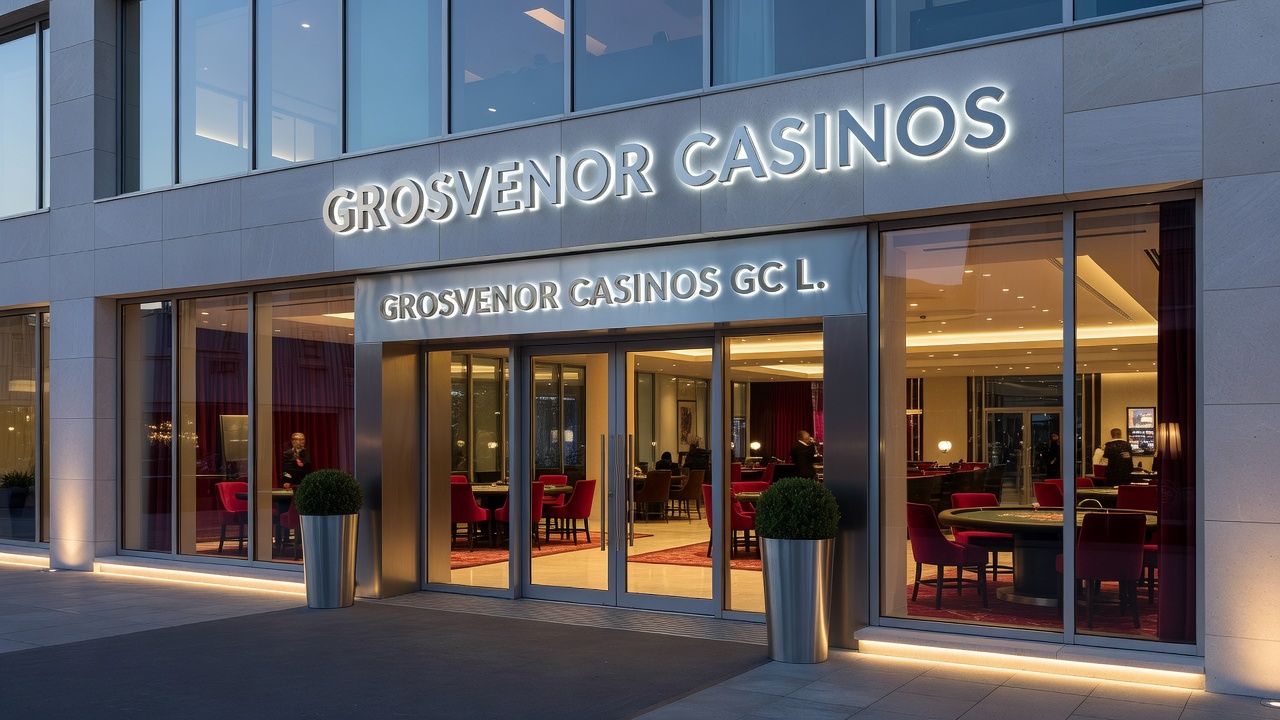
Land-based sectors, by contrast, posted a 1.1% increase that resulted in £4.9 billion for the year, and this slower pace highlights the different dynamics facing high-street betting shops, casinos, and bingo halls. While remote products benefited from convenience and 24-hour availability, physical locations continued to face competition from digital alternatives, and operators in those segments reported steady but limited gains. The figures indicate that land-based GGY growth stayed below the overall industry average, yet certain sub-sectors within bricks-and-mortar operations still managed to hold their ground amid changing player habits. Experts tracking venue performance note that regional variations exist, with some urban locations showing stronger resilience than rural counterparts, and these differences appear in the detailed breakdowns released alongside the headline numbers.
Broader Industry Context and Regulatory Discussions
The £17.5 billion total emerges at a time when government and industry voices are actively reviewing tax structures and responsible gambling measures, and the latest statistics provide fresh data for those conversations. Remote growth at 6.9% has drawn particular attention because it raises questions about how future regulatory frameworks might address online expansion while maintaining standards already in place for land-based sites. According to the official statistics, the year-on-year movement occurred without major disruption to licensing requirements, and operators continued to meet existing compliance thresholds throughout the period. Those involved in policy analysis observe that the split between remote and land-based contributions has shifted noticeably over recent years, with remote now forming the clear majority of total GGY, and this evolution informs ongoing debates about where regulatory focus should lie in the months ahead.
Segment Breakdown and Key Drivers
Within the remote category, online casino and slots stood out as the leading contributor, and betting along with bingo added further volume that together produced the £8.3 billion figure. The 6.9% growth rate exceeded the overall industry average, which underscores how digital channels continue to capture additional market share. Land-based growth at 1.1% brought that side of the market to £4.9 billion, and this outcome reflects steady performance across betting shops and traditional casinos even as footfall patterns evolve. Observers note that the combined picture shows a market still expanding overall, yet the pace and location of that expansion have become increasingly concentrated in remote offerings, and these trends are expected to shape investment decisions through the remainder of 2026.
Looking Ahead to September 2026 and Beyond
By September 2026, stakeholders will have several additional months of operational data to compare against the April 2025 to March 2026 baseline, and early indications suggest continued monitoring of both remote and land-based performance metrics. The Gambling Commission report already provides the foundation for such comparisons, and industry participants use these numbers when assessing capital allocation and product development priorities. Discussions around taxation and regulation remain active, with the latest GGY results serving as reference points in those exchanges, and any policy adjustments implemented after September 2026 could influence results for the subsequent financial year. The current figures therefore stand as a snapshot that captures both the scale of the licensed market and the directional shift toward remote channels that has characterized recent periods.
Conclusion
The £17.5 billion GGY recorded for the financial year ending March 2026 illustrates a market that continues to grow, albeit at different rates across remote and land-based segments, and the 4.4% overall increase stems largely from the 6.9% advance in online casino, betting, and bingo activities. Land-based operations achieved a 1.1% rise to £4.9 billion, which demonstrates resilience even as digital platforms capture greater share. These statistics, released through official channels, supply concrete information for ongoing conversations about taxation, regulation, and market structure, and they set the baseline against which future periods will be measured as 2026 progresses.