Financial Pattern Recognition in Casino Oversight and Blacklisting
Avery Vogel · Nov 4, 2026
Financial Pattern Recognition in Casino Oversight and Blacklisting
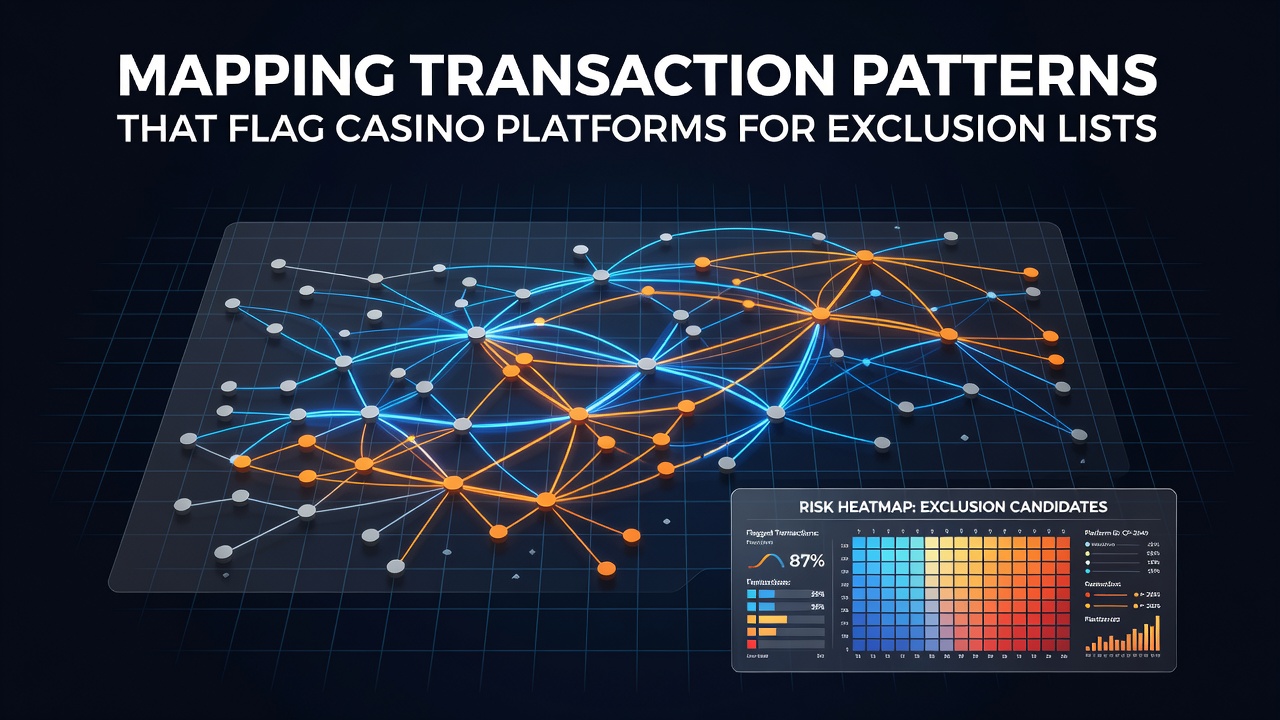
Authorities track financial flows through casino platforms to identify operations that warrant placement on exclusion lists, and this process relies on systematic mapping of transaction data from deposits, withdrawals, and betting volumes. Regulators compile records across payment processors, bank transfers, and cryptocurrency channels to reveal clusters that deviate from standard player behavior, while data from November 2026 updates show increased scrutiny on cross-border patterns as new reporting standards take effect in several jurisdictions.
Core Transaction Categories Under Review
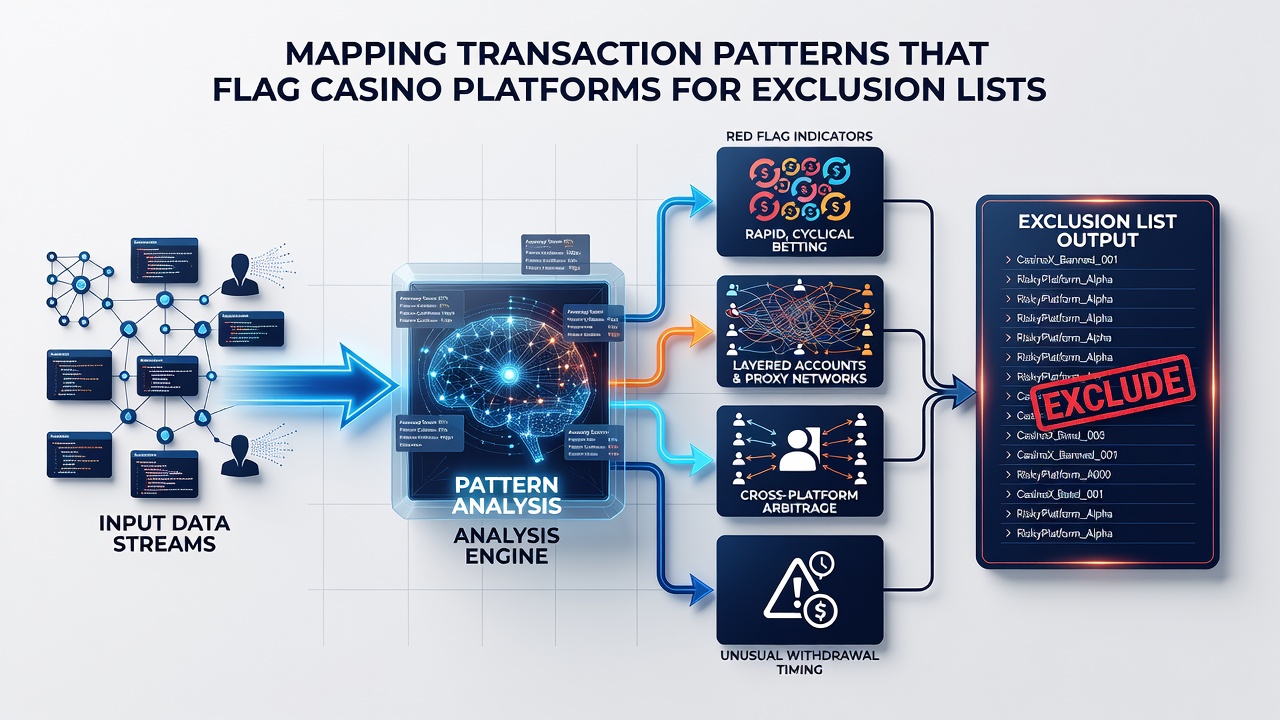
High-frequency deposit and withdrawal cycles often appear in mapped datasets when accounts move funds multiple times within short windows, and analysts compare these against average session lengths reported by licensed operators. Unusual geographic mismatches surface when transaction origins cluster in regions without corresponding player demographics, prompting deeper review of IP logs and address verification records. Rapid movement between multiple payment methods within single accounts triggers alerts because such layering complicates traceability and matches profiles documented in enforcement actions from prior years.
Velocity and Volume Indicators
Systems calculate transaction velocity by dividing total movement by account age, and platforms exceeding established thresholds receive priority flags for exclusion consideration. Volume spikes during off-peak hours receive additional weight when they coincide with accounts that lack corresponding gameplay data, because this combination suggests coordination rather than organic use. Researchers at academic institutions have documented how these metrics, when combined with network analysis, isolate repeat offender patterns across different casino brands operating under shared ownership structures.
One regulatory body in Australia applies similar mapping protocols through its transaction reporting framework, and findings from that agency demonstrate how exclusion decisions rest on cumulative evidence rather than isolated incidents. Another source from the United States Treasury's financial intelligence unit provides guidance on red-flag combinations that include rapid fund rotation without corresponding losses, which aligns with international standards for identifying potential misuse of gaming platforms.
Mapping Tools and Data Integration Methods
Software platforms aggregate raw ledger entries into graph-based visualizations that connect accounts sharing device fingerprints, email domains, or linked payment instruments. These graphs allow investigators to trace fund flows across multiple casinos and identify common nodes that operate as intermediaries, and the approach proves effective when manual review alone would miss interconnected clusters. Integration with third-party data from credit bureaus and identity verification services adds layers that confirm or refute legitimacy of flagged entities before exclusion lists finalize.
Updates scheduled for November 2026 will require operators in participating regions to submit standardized data feeds, which should improve consistency across different mapping systems and reduce false positives that currently burden review teams. Industry reports indicate that harmonized formats also enable faster sharing between regulators in separate jurisdictions, allowing coordinated exclusion actions against platforms that relocate operations after initial flags.
Case Examples From Enforcement Records
Take one documented instance where analysts identified a cluster of accounts that deposited identical amounts across several platforms within minutes of each other, and subsequent investigation revealed shared backend infrastructure that funneled proceeds through a single processor. The mapping exercise produced exclusion recommendations after authorities confirmed the absence of legitimate player verification records tied to those transactions. Another situation involved operators who masked withdrawal destinations through multiple cryptocurrency mixers, and the resulting graph exposed repeated connections to known high-risk wallets that had appeared in previous enforcement files.
Those who study enforcement trends note that exclusion lists update quarterly in most regions, yet urgent actions occur when patterns suggest imminent harm to consumers or systemic risk to licensed markets. Data from industry associations shows platforms removed from access in one jurisdiction often attempt re-entry through rebranded entities, which mapping tools catch by tracking persistent payment processor relationships rather than surface-level branding changes.
Regulatory Coordination and Future Developments
International bodies exchange mapping methodologies during periodic forums, and these sessions focus on emerging vectors such as decentralized finance integrations that complicate traditional tracing. Observers expect November 2026 to bring expanded requirements for real-time reporting in select markets, which would allow authorities to intervene earlier in developing patterns instead of relying solely on retrospective analysis. Trade groups representing payment processors have begun publishing voluntary standards that align with these regulatory expectations, reducing friction when data requests arrive during active investigations.
Challenges in Pattern Interpretation
Legitimate high-volume players can generate transaction signatures that overlap with suspicious ones, and regulators address this by requiring corroborating evidence from gameplay logs and identity checks before advancing to exclusion. False positives consume resources when mapping systems lack sufficient contextual filters, yet ongoing refinements through machine learning models continue to narrow the gap between flagged and confirmed cases. Academic studies emphasize that human oversight remains essential because automated tools alone cannot account for jurisdiction-specific rules that influence final decisions.
Conclusion
Transaction mapping serves as a foundational element in decisions to place casino platforms on exclusion lists, and the combination of velocity metrics, network graphs, and cross-referenced data sources provides the factual basis regulators require. As reporting standards evolve into 2026, the precision of these processes should increase while maintaining focus on objective indicators rather than isolated anomalies.