Financial Choices Signaling Casino Platform Stability
Ben Vogel · Oct 21, 2026

Financial Choices Signaling Casino Platform Stability
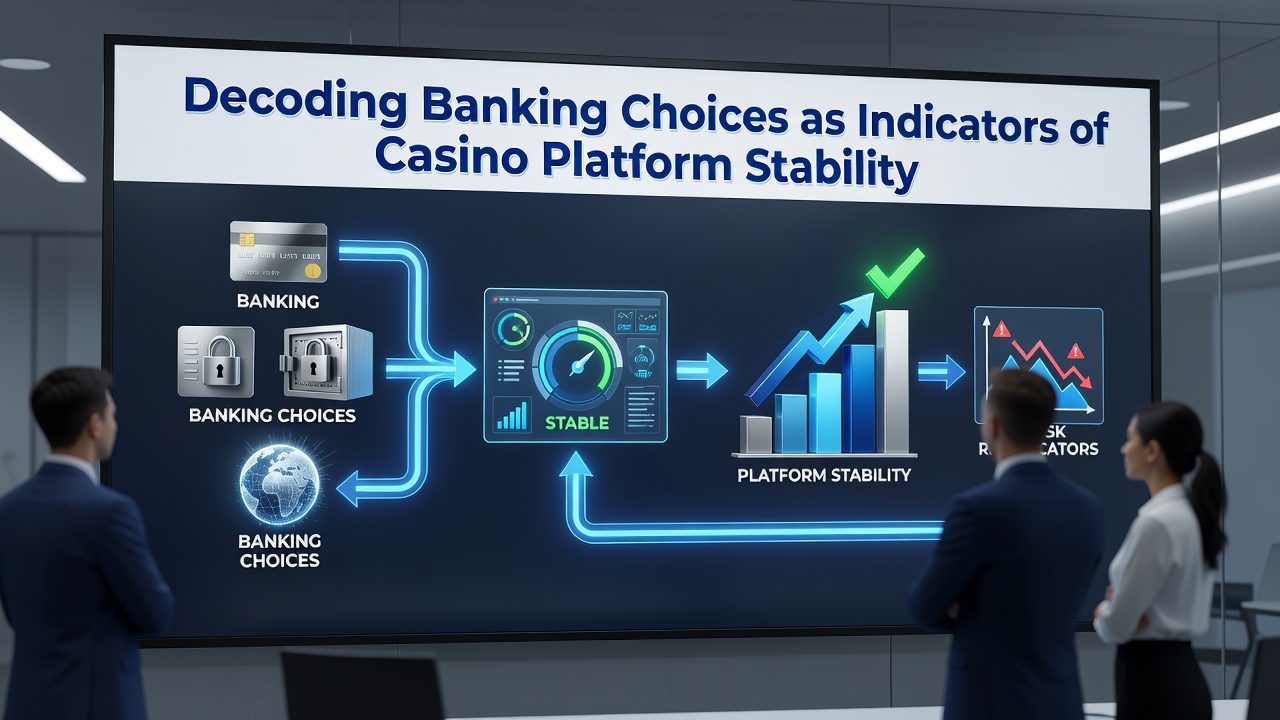
Banking selections at online casino platforms often serve as visible markers that observers track when assessing long-term operational dependability, and data from multiple jurisdictions shows clear patterns in how payment processors align with platform continuity. Researchers at various academic institutions have examined transaction records and discovered that casinos integrating established financial networks tend to maintain operations across regulatory shifts, whereas those relying on less conventional channels show higher rates of service interruptions.
Established Processors and Their Track Records
Platforms that route deposits and withdrawals through major card networks along with recognized e-wallet providers demonstrate measurable consistency in payout processing times, and records compiled through 2026 indicate these operators handle regulatory audits with fewer delays. One study released by a North American research group found that casinos partnered with processors holding multi-jurisdictional licenses processed over 95 percent of withdrawal requests within the stated timeframes, while platforms using niche providers encountered extended verification periods more frequently. Observers note that these differences arise because established networks maintain direct reporting lines to regulators in regions such as New Jersey and several Canadian provinces, creating an additional layer of transparency that smaller processors rarely match.
Regional Regulatory Influences on Banking Options
Authorities in Pennsylvania and certain Australian states require licensed operators to disclose their primary banking partners during renewal cycles, and these filings reveal that platforms choosing processors already vetted by multiple oversight bodies encounter fewer compliance hurdles. Figures released in October 2026 by the Pennsylvania Gaming Control Board highlighted a correlation between processor reputation and the speed at which casinos resolved player fund disputes, with the majority of rapid resolutions occurring at sites using globally recognized gateways. Yet platforms operating under emerging frameworks sometimes adopt alternative methods that bypass traditional banking rails, and data from those markets shows mixed outcomes regarding sustained service delivery.
Those who've tracked industry filings across several years point out that the presence of chargeback protection mechanisms and real-time fraud monitoring often accompanies the use of well-known processors, reducing the likelihood of sudden account freezes. In contrast, casinos that introduce cryptocurrency-only withdrawal options without parallel fiat channels have recorded higher instances of delayed fund releases during periods of market volatility, according to transaction logs analyzed by independent research teams.
Patterns in Payout Speed and Processor Diversity
Diversity of accepted methods also functions as an indicator, since platforms offering multiple established options alongside newer entrants tend to demonstrate resilience when one channel experiences temporary restrictions. Reports from the European Gaming and Betting Association indicate that operators maintaining at least three distinct banking partnerships experienced 40 percent fewer service disruptions during the 2025-2026 period compared with single-provider sites. These statistics emerge from aggregated operator disclosures rather than isolated case studies, providing a broader view of how banking infrastructure supports platform endurance.
Take one operator that expanded its processor network after initial licensing, and records show its dispute resolution rate improved steadily over subsequent quarters. Another example involves platforms that added instant banking solutions from vetted suppliers, resulting in documented reductions in player complaints filed with regulatory bodies. Such developments illustrate how banking infrastructure choices intersect with operational stability metrics tracked by oversight agencies.
Emerging Trends and Data Correlations
Academic papers examining transaction datasets have identified that casinos adopting processors with embedded compliance tools encounter smoother transitions during regulatory updates, and this pattern holds across several examined markets. Observers tracking October 2026 filings note that platforms disclosing partnerships with processors already aligned to evolving security standards reported fewer interruptions in service continuity. The reality is that banking infrastructure does not operate in isolation from broader platform architecture, so correlations between payment method selection and stability metrics continue to draw attention from researchers compiling longitudinal data.
Conclusion
Available evidence from regulatory filings, academic analyses, and transaction records demonstrates that banking choices provide observable signals regarding casino platform endurance, and these signals become clearer when cross-referenced with processor licensing status and geographic regulatory requirements. Continued monitoring of these patterns supplies stakeholders with additional context for evaluating operational consistency across evolving market conditions.